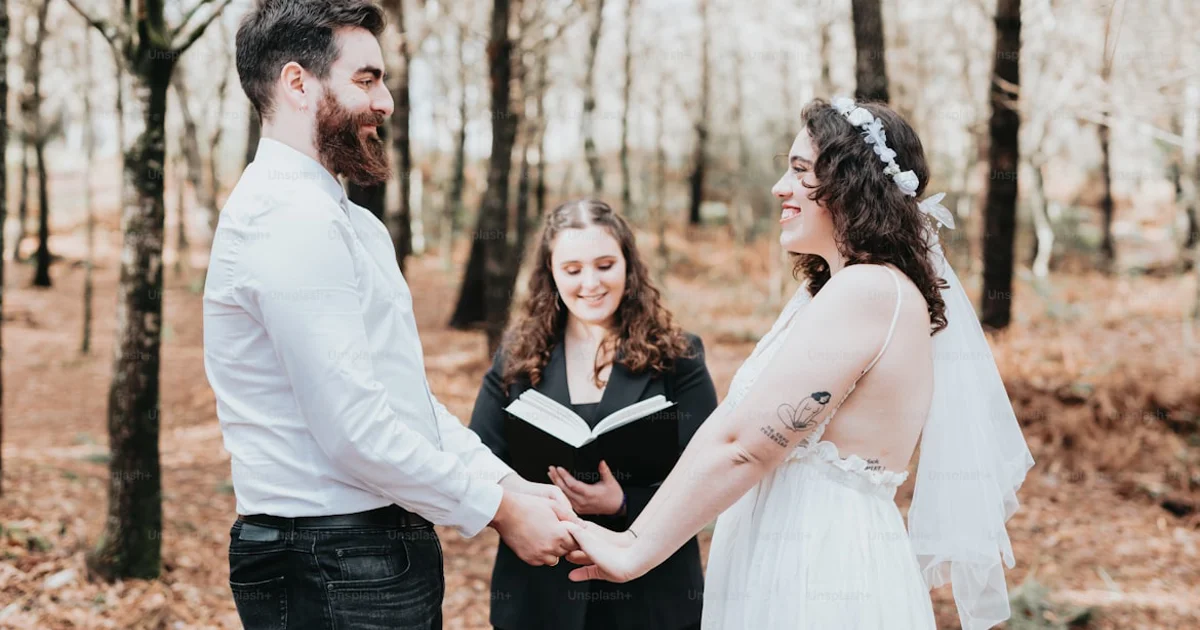
There is a specific kind of pressure that comes with wedding planning, and it mostly has to do with size. The assumption, spoken or not, is that a bigger wedding is a more real wedding. More guests means more love. A larger guest list means the day matters more.
I do not believe that. And I have been to enough weddings to have an opinion worth sharing.
What actually changes at a small wedding.
When you have fifty guests instead of one hundred and fifty, you actually talk to most of them. Not a thirty-second hug and a promise to catch up later, but a real conversation. You eat dinner at a table with people you love rather than spending the entire meal being pulled from one end of the room to the other.
The day feels less like a performance and more like a gathering.
The budget math changes significantly.
A smaller guest count almost always means a lower catering bill, a smaller venue, fewer tables to decorate, and a smaller cake. That freed-up budget can go toward better food, a better photographer, or a longer honeymoon. Or you can simply spend less overall, which is also a valid choice.
Fifty people at a dinner with excellent food and a beautiful space is a more memorable experience than one hundred and fifty people at a dinner where the food was adequate because the budget was stretched thin.
The guest list conversation is the hardest part.
If you decide on a small wedding, the most difficult task is not the venue or the vendors. It is deciding who makes the list and communicating that to family without creating lasting damage.
With love, Verla.
The cleanest approach: set a firm number and hold it for everyone equally. No exceptions for one side of the family that do not apply to the other. If you are not inviting second cousins, you are not inviting second cousins on either side. Consistency is the thing that makes a small guest list defensible.
Some venues are designed for intimacy.
A large ballroom with fifty people feels empty and cold. A private dining room, a garden, a historic home, a rooftop, spaces that feel intimate at fifty do not feel that way at one hundred and fifty. A smaller wedding opens up venue options that are genuinely beautiful and genuinely personal, and that would be the wrong size for a large wedding.
It does not have to feel like you are missing something.
The couples I know who had small weddings do not talk about what they gave up. They talk about how present they were. How much they laughed. How they actually remember the day because they were not exhausted by the scale of it.
A small wedding is not a lesser wedding. For a lot of couples, it is the truest version of what they actually wanted.
Vowlio brings the whole wedding into one place: your budget, guest list, seating chart, day-of timeline, vendor search, and wedding website. See everything Vowlio does for couples.
And if you are the vendor rather than the couple reading this: Vowlio puts a bookable profile in front of couples who are planning right now, and keeps your leads, contracts, and invoicing in one place. See how Vowlio works for vendors.
With love, Verla